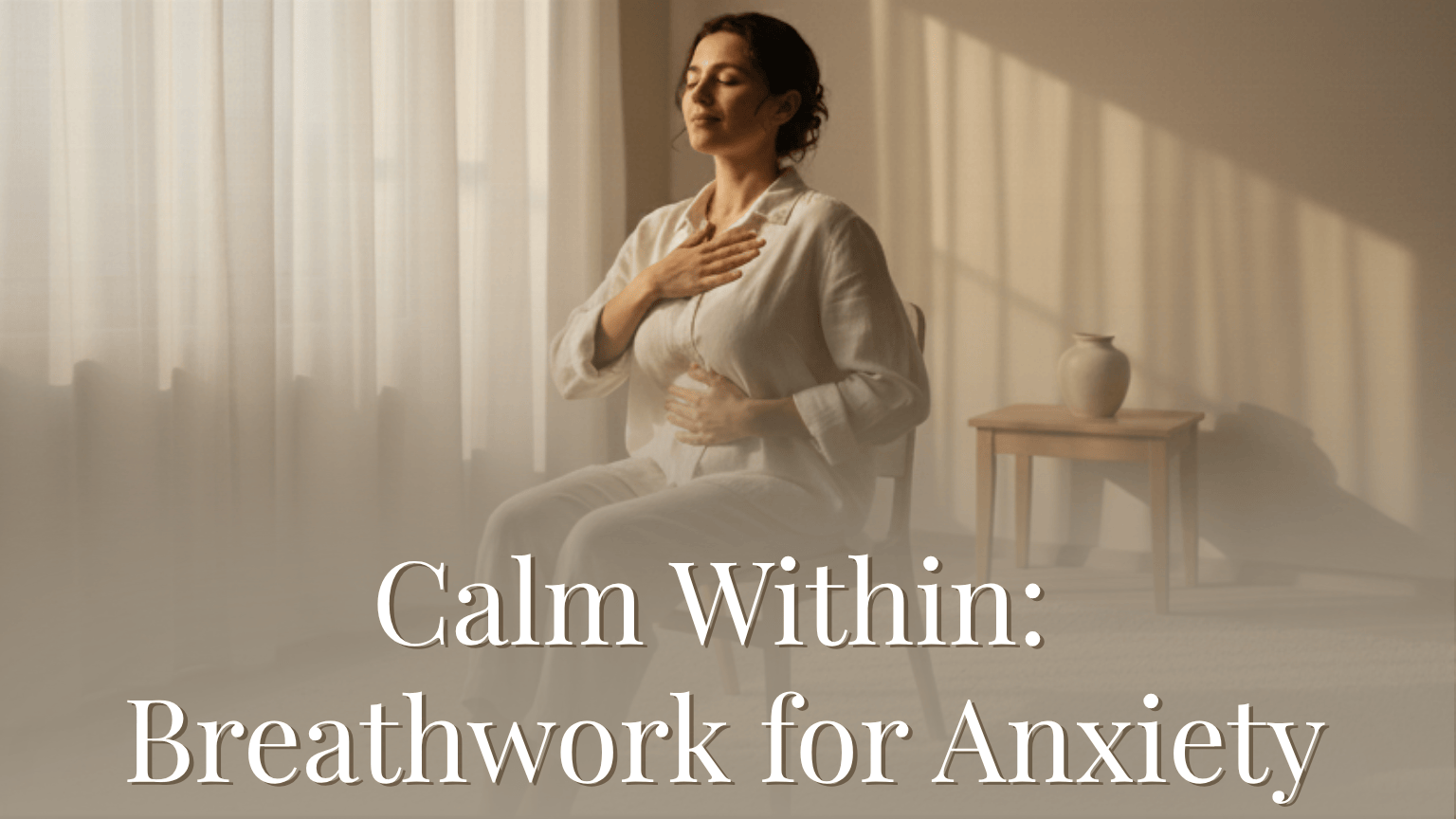
Why Breathwork Is the Missing Link in Managing Anxiety
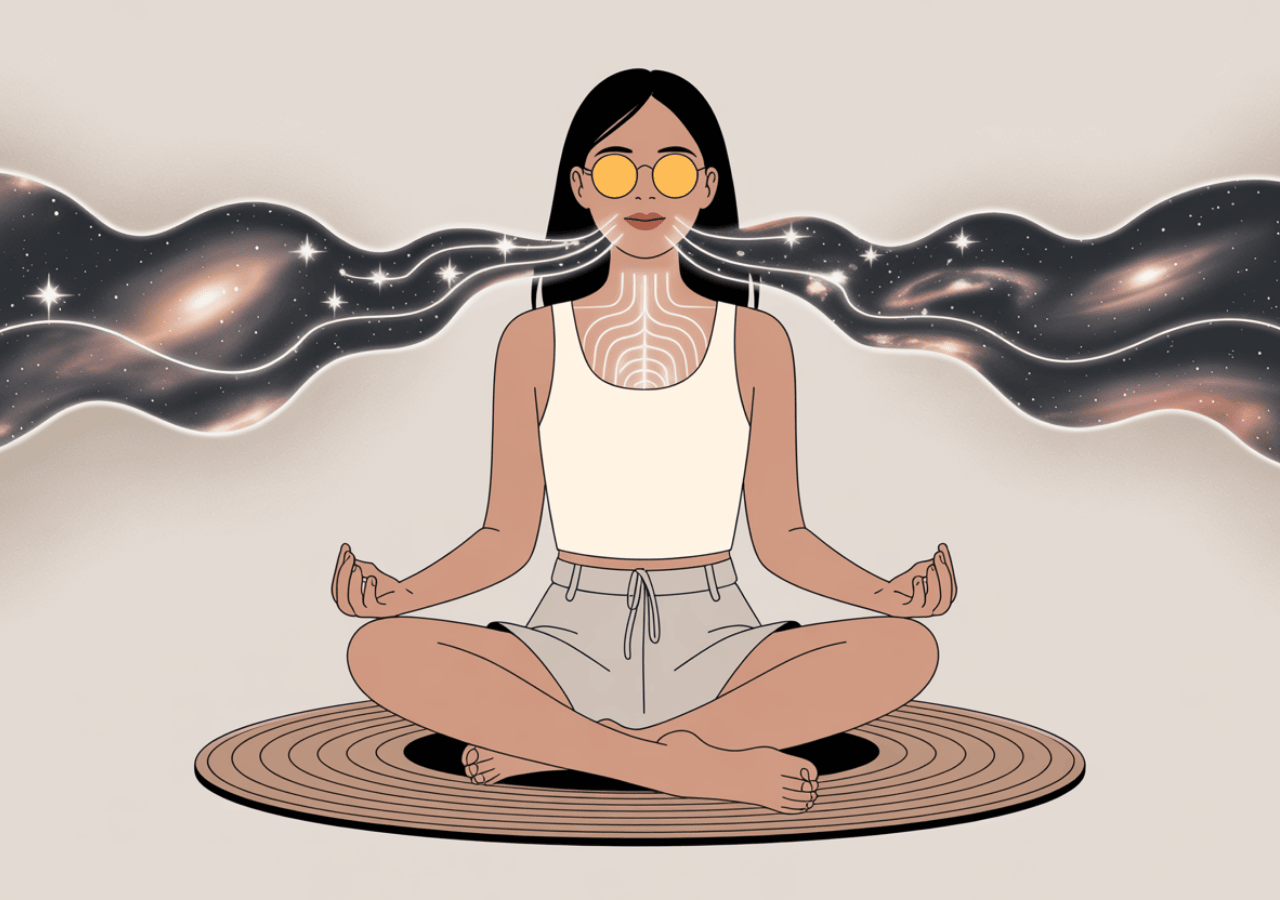
Anxiety is one of the most common struggles in modern life. While therapy, medication, and lifestyle changes often dominate the conversation, one of the most effective and accessible tools is often overlooked: the breath. Breathing techniques for anxiety bridge both science and yoga tradition, offering teachers and students practical ways to calm the nervous system and regain presence.
The Science Behind Breathing and Anxiety
Modern research shows that how we breathe directly affects how we feel. Anxiety activates the sympathetic nervous system raising heart rate, increasing tension, and keeping the body on high alert. Breathwork helps regulate this system by engaging the parasympathetic response, sometimes called “rest and digest.”
A key player here is the vagus nerve, which connects brain and body. Slow, steady breathing signals safety, lowering heart rate and calming stress hormones.
One simple principle makes a big difference: longer exhales than inhales. This pattern cues the nervous system to downshift, creating a felt sense of ease.
The Yoga Tradition of Breathwork for Calm
Long before neuroscience explained vagal tone or stress hormones, yoga mapped out the power of breath through pranayama. In Sanskrit, “prana” means life force and “ayama” means expansion or regulation. Breath was never seen as just air, it was the bridge between body and mind.
For calming the mind, traditional pranayama emphasizes steady, balanced, and gentle rhythms. Practices such as alternate nostril breathing, soft ujjayi, or extended exhalations were designed to quiet agitation and prepare the mind for meditation.
What is striking is how closely this aligns with what modern science now confirms: breath is a gateway to balance.
Why Teachers Should Integrate Breathwork Into Classes
For yoga teachers and wellness educators, integrating breathwork isn’t just an “add-on.” It is one of the most inclusive practices available.
- Accessibility: Unlike advanced postures, anyone can breathe.
- Depth: Breathwork helps students feel yoga beyond the physical, making classes more transformative.
- Impact: Even short practices can create noticeable calm, which students carry into their daily lives.
By guiding simple breathing techniques, teachers help students not only move better but also live with greater ease.
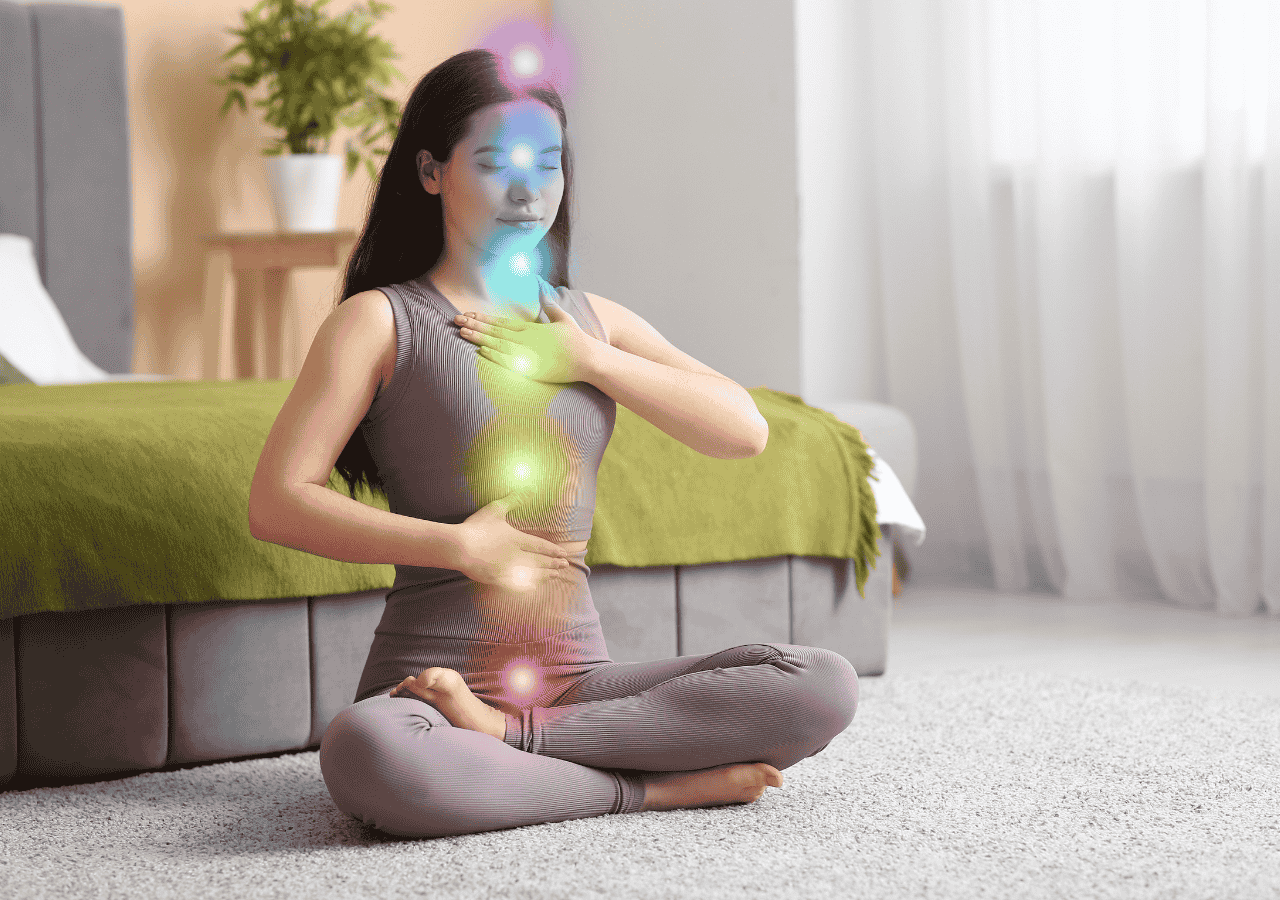
Practical Breathing Techniques for Anxiety Relief
Here are three approaches that are effective, easy to teach, and supported by both tradition and science:
- Diaphragmatic Breathing
- Breathe deeply into the belly, letting the diaphragm expand.
- Encourages full oxygen exchange and relaxation.
- Nadi Shodhana (Alternate Nostril Breathing)
- Inhale through one nostril, exhale through the other in a gentle rhythm.
- Balances left and right hemispheres of the brain, creating harmony and focus.
- Gentle Extended Exhalation
- Inhale for a count of 4, exhale for 6–8.
- Shifts the nervous system toward calm by lengthening the parasympathetic signal.
Each of these practices can be taught in under five minutes, yet they offer students powerful tools they can return to anytime anxiety rises.
Taking the Next Step
As a teacher, your role is not only to guide movement but also to give students tools they can carry off the mat. Breathing techniques for anxiety are among the most effective. They’re simple, science-backed, and deeply rooted in yoga’s tradition of self-regulation.
Feeling anxious or overwhelmed?
Regain your calm with 👉 Calm Within: Deep Breathing Exercises for Anxiety.
A simple 4-video program that teaches you how to use your breath to ease anxiety and find calm anytime, anywhere.